Empower: Discover | Decide | Direct

Power imbalances often create environments where abuse-emotional, physical, or financial-can thrive unchecked. When one group holds disproportionate control over resources, decision-making, or social norms, it opens the door to exploitation and coercion. These imbalances can manifest in many ways: limiting access to education, restricting financial independence, or reinforcing roles and expectations that normalize control and silence dissent.

This dynamic doesn’t affect just one gender- but both women and men are impacted. However, in patriarchal societies, this affects women more than men.

Financial abuse often stems from systemic power imbalances. At AssureInclu, we work to restore that balance by supporting both women and men who have experienced financial control, deprivation, or coercion.

Our program equips individuals with the tools, knowledge, and resources needed to rebuild their financial independence. This could mean opening their own bank accounts, gaining digital financial literacy, or accessing safe lending options or understanding their ownership in financial assets.

Unlike domestic abuse, financial abuse often goes unnoticed compared to other forms of domestic abuse, primarily because its effects can be more indirect and less visible. However, its impact can be equally damaging, trapping women or men in cycles of dependency and vulnerability.

Barriers to Financial Independence

1.Cultural Expectations
Traditional gender roles keep men in charge of finances while women are confined to domestic duties, limiting their knowledge and decision-making power.

2.Control Over Resources
Women may own wealth through dowries or inheritance, but they often lack control over these assets.

3.Dependency and Isolation

Despite education and status, women can remain financially dependent on families or spouses, restricting autonomy.

4.Social Stigma
Speaking out or asserting independence can result in ostracism or familial conflict, discouraging women from challenging norms.

5.Invisible Abuse
Subtle abuse, like allowance without broader financial involvement, leaves many women excluded from planning and investments.


Do you wish to know more about financial abuse and need support? If yes, go through our resource suggestions.​

Please read the story below.


1.Take the survey below. If you tick yes to two or more conditions, perhaps you would want to understand more.


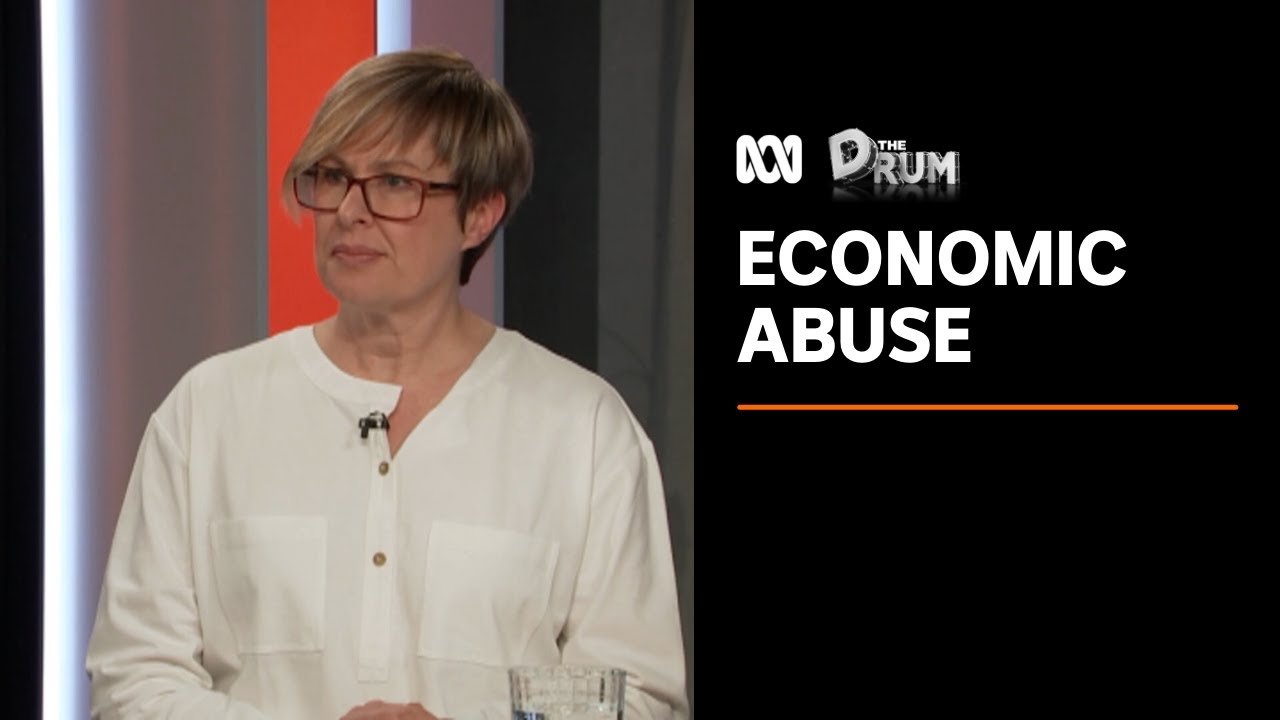
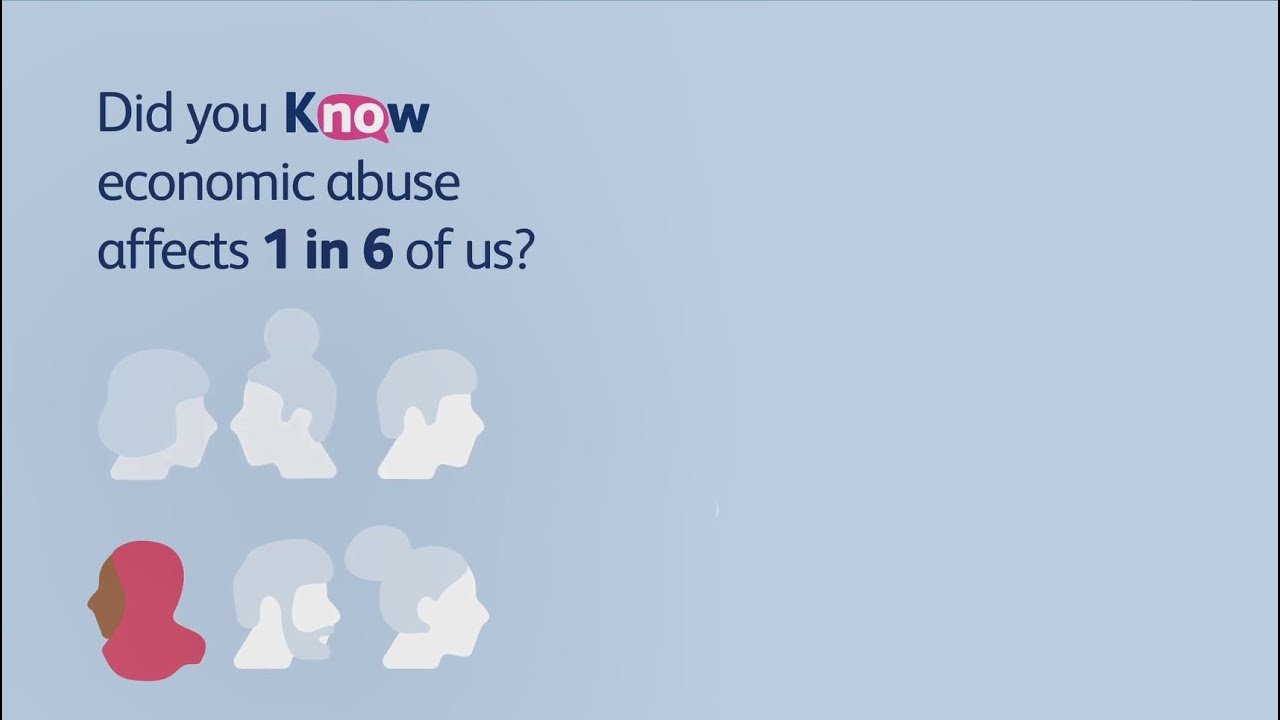
2.View the videos that explicitly explain financial abuse, given  in this section before reading Meera’s story.

Client Story: Meera

In a small town in India, Meera, a homemaker, faced subtle financial abuse that she didn’t recognize at first. Her husband, Ramesh, gave her a monthly allowance for household expenses but never let her access their joint bank account. He insisted that managing finances was “too complicated” for her and discouraged her from learning about money matters. When Meera tried to save a portion of the allowance for emergencies, Ramesh demanded to know where the money went and accused her of being wasteful. Over time, Meera realized she had no financial independence and felt trapped. She couldn’t pursue her dream of starting a small business because Ramesh refused to invest in her ideas, claiming they were “risky.” It wasn’t until Meera attended a community workshop on financial literacy that she understood the patterns of control she was experiencing. With support from the group, she began to educate herself, opened her own bank account, and slowly regained her independence.

Meera’s story highlights how financial abuse can be subtle yet deeply damaging, especially in patriarchal settings where women are often excluded from financial decision-making. It underscores the importance of awareness, education, and support systems to empower women to break free from such cycles.

Self Reflection

A. What emotions arise?
B. Which of these barriers have you witnessed or experienced? ​
C. Consider rewriting or reinterpreting these experiences in a way that helps you grow from them.​​
Your Wallet, Your Voice: Reclaiming Financial Control

Take a quiet moment to read through the following statements. If several feel familiar or stir something within you, it’s okay to pause and acknowledge that. You don’t have to navigate it alone-support is available, and reaching out is a sign of strength.

1. You were denied access to shared finances, bank accounts, or personal income, citing reasons like you will not understand.

2. You were discouraged or stopped from working.

3. Your spending was closely tracked and/or you were demanded to provide receipts for everything.

4. You were forced to take a loan in your name without your consent or understanding.

5. You were given only a fixed allowance, an insufficient budget amount for daily expenses, regardless of needs and the higher income of the partner.

6. Your money was taken without your permission.

7. Your savings were used without your consent and knowledge.

8. You were discouraged from learning about financial management or making independent financial decisions.


In case you have ticked more than 2-3 yes, you may want to watch the videos below to understand financial abuse better. ​

AssureInclu Consulting Supports Women Who Choose to Engage in Shared Financial Matters

Women’s Wealth Empowerment Advisory

As part of Assurelnclu’s commitment to inclusive financial systems, we offer tailored wealth management advisory services for women seeking to build, own, and grow their financial assets independently. ​

This service empowers women to strategically create and manage wealth aligned with their personal goals. It allows them to access and utilise financial services when needed without dependency. Women can design pathways to grow income and asset value through informed decision-making. The service helps build resilience and long-term financial security through client-centric strategies.

Grounded in our values of responsible finance and equity, this service nurtures financial confidence and autonomy, enabling women to thrive as wealth creators in their own right.

Example of Our Advisory -

Start with a Conversation​
Learn how to ask about what’s been invested, where it’s held, and in whose name—mutual funds, real estate, fixed deposits, and more.​
Look for Joint or Nominee Accounts​
Your name might already be on an account—find out what that means and how to access it.​
Check PAN-Linked Investments​
If your PAN has been used, platforms like CAMS or the Income Tax portal can help uncover what’s registered in your name.
Explore Tax Documents (AIS/26AS)​
Your Annual Information Statement shows interest income and capital gains—it's easier to read than you might think.​
Seek Guidance—Discreetly​
Talk to a financial advisor or our team to help you decode statements or legalese, always on your terms.​

Exploring Your Financial Role at Your Own Pace

Speak with someone who understands, listens, and respects your pace

Whether you’d like help understanding documents, exploring investment history, or preparing for a conversation at home—our advisors are here to support you, discreetly and respectfully.

What You Can Expect:

A 20-minute confidential call or video session

No sales, no assumptions—just guidance based on your needs​​

You choose what you want to discuss and how far you’d like to go​

[ Let’s help you feel informed, in control, and supported.]

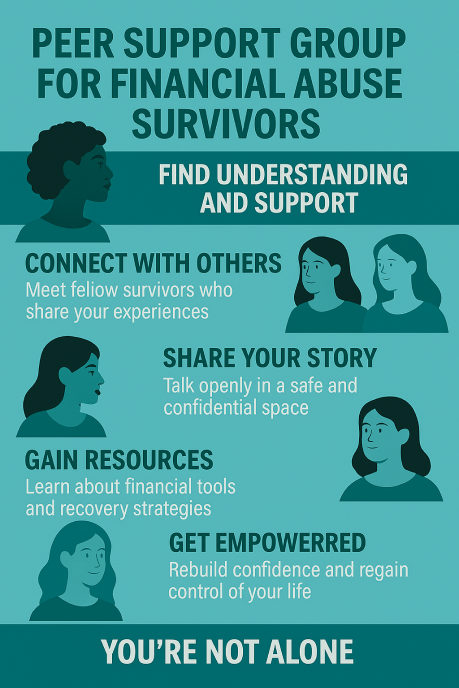
Join a Peer Support Groups

  • Join one of our Support Groups
  • Join a small group of 6-8 people in a similar life situation as you.
  • Led by an expert 
  • Small group setting
  • Done over Zoom video 
  • Achieve goals, find support.
Send us your email and we will get back to you at :
contact@assureinclu.com

AssrureInclu Consulting Services

Inclusive Pathways to Resilient Future​

Quick Links

Contact Us

102 Akshar Apartment,
Opp Rosary School,
Vadodara -390002, Gujarat, India

Subscribe to stay tuned for latest updates.